Introduction
Search engines control how customers discover services, locations, and solutions to their
problems. However, the way we optimize for visibility differs depending on a company’s goals.
Many business owners invest in generic SEO strategies when what they actually need is Local
SEO—or vice versa.
Understanding the difference can be the reason your business is buried on page five or
dominating page one.What Is Traditional SEO?
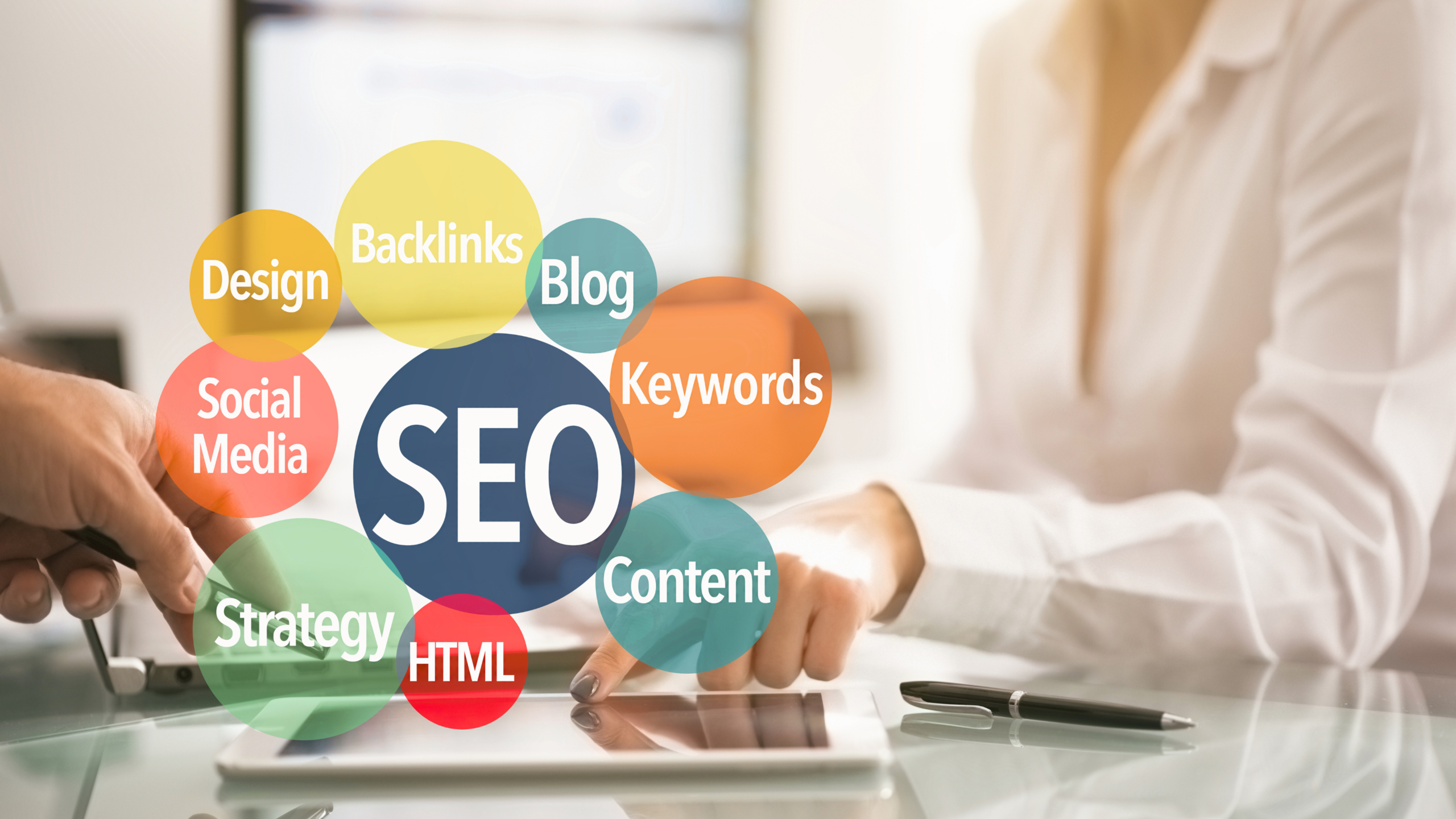
Traditional SEO focuses on ranking pages broadly across the internet. It is ideal for:
● E-commerce
● Online products
● Global services
● Information platforms
● SaaS companies
Traditional SEO seeks to:
● Build domain authority
● Target industry keywords
● Drive organic traffic
● Increase visibility nationally or internationally
It is content-driven and brand-driven. Blogs, resources, media, and backlinks work together to
show Google that your company is an expert worth ranking.
What Is Local SEO?
Local SEO is laser-focused on dominating searches in a specific geographic area.
Examples:
● “Real estate photographer near me”
● “Car repair shop in Boston”
● “Digital marketing agency Miami”
Local SEO prioritizes:● Google Maps ranking
● City/region-based keywords
● NAP consistency (name/address/phone)
● Reviews & reputation
● Local landing pages
● Local citations
● Business listings
The goal is simple: get more local phone calls, more walk-ins, and more bookings.
Why Businesses Fail at SEO
Most brands do SEO backwards.
They try to:
● Rank for generic terms
● Copy competitors
● Build content without a strategy
● Post aimlessly on social media
● Buy cheap backlinks
Meanwhile, their Google Business Profile is outdated, their website loads slowly, and they’re
missing contact info on key pages. Customers want instant clarity—not confusion.
Which Is Right For You?
Ask yourself:
Do I sell to people in a geographic area, or to anyone online?
Local SEO is perfect for:● Gyms
● Restaurants
● Spas
● Barbershops
● Doctors
● Lawyers
● Electricians
● HVAC
● Home services
● Real estate agents
Traditional SEO is best for:
● Online stores
● Digital products
● Consulting firms
● Global service providers
● Personal brands
● Subscription models
Many companies need both—but never at the same stage.
Results You Can Expect
Local SEO is often faster:
● 2–4 months to see consistent organic leadsTraditional SEO is slower:
● 5–12 months for authority-driven growth
But long-term ROI?
Traditional SEO dominates.
Final Thought
SEO is not “posting keywords.”
It is a reputation system.
Google rewards clarity, trust, and relevance.
At Dremy Marketing, we build SEO frameworks that match your business model. We don’t sell
traffic; we create opportunities.